

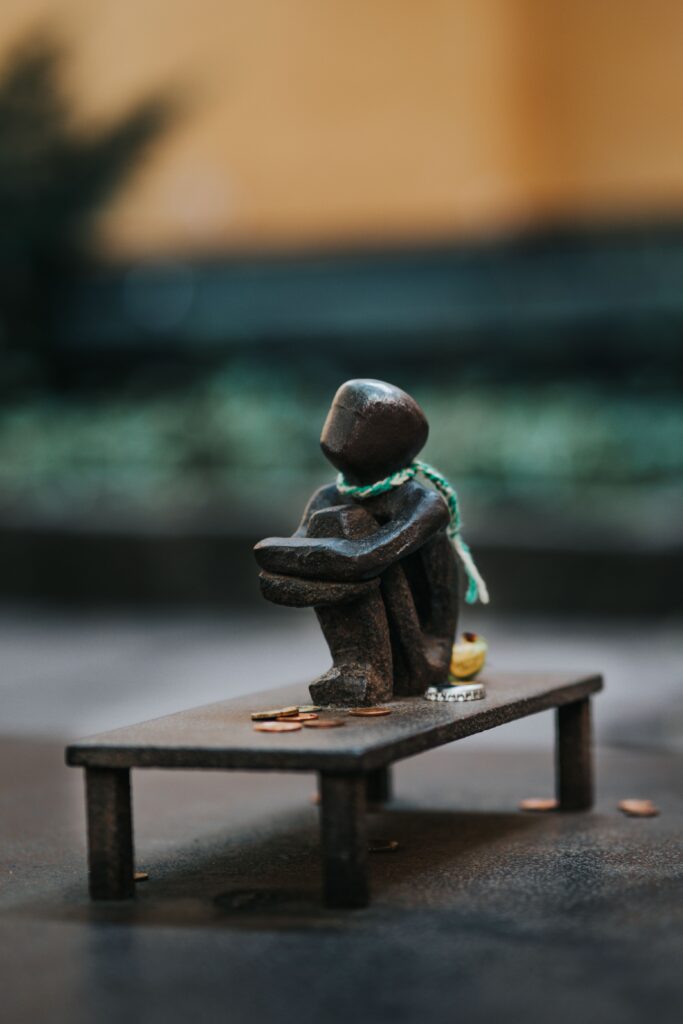
Not getting invited. Being left on read. Receiving criticism from a teacher. For some teenagers, these experiences can feel far more painful than they seem to other people. If this sounds familiar, you may be experiencing something called Rejection Sensitive Dysphoria, or RSD.
What Is Rejection Sensitive Dysphoria?
Rejection Sensitive Dysphoria (RSD) is an intense emotional reaction to real or perceived rejection, criticism, exclusion, or failure. People with RSD often experience overwhelming feelings of sadness, embarrassment, shame, or anger when they believe they have been judged negatively.
While everyone dislikes rejection, people with RSD feel it much more deeply. Even small situations can trigger strong emotional responses.
For example:
- A friend does not reply to a text message.
- A teacher provides constructive feedback on an assignment.
- A teammate chooses someone else for a project group.
- A social media post receives fewer likes than expected.
To someone with RSD, these situations may feel like proof that they are not liked, valued, or accepted, even when that is not the reality.
Is RSD a Mental Health Disorder?
RSD is not currently recognised as a separate mental health diagnosis. However, mental health professionals frequently discuss it because it is commonly experienced by people with Attention Deficit Hyperactivity Disorder (ADHD).
People with ADHD often struggle with emotional regulation, which can make feelings of rejection feel particularly intense and difficult to manage.
RSD can also occur alongside anxiety, low self-esteem, or past experiences of bullying and criticism.
Signs of Rejection Sensitive Dysphoria
Teenagers experiencing RSD may:
- Overthink conversations and social interactions
- Fear criticism or judgment from others
- Feel deeply hurt by feedback
- Constantly seek reassurance from friends or family
- Avoid situations where they might fail
- Become extremely self-critical
- Feel anxious about being excluded or left out
- Withdraw socially after perceived rejection
These reactions can affect friendships, school performance, confidence, and overall wellbeing.
Why Does RSD Feel So Intense?
When someone with RSD experiences rejection, their brain may interpret the situation as a much bigger threat than it actually is.
A simple comment such as:
“You should add more detail to your essay.”
May be heard internally as:
“You’re not good enough.”
This automatic thought process can create a cycle of self-doubt and emotional distress.
The challenge is that the emotional reaction happens so quickly that it feels completely real and true at the moment.
How to Cope with Rejection Sensitive Dysphoria
The good news is that RSD can be managed. Learning healthy coping strategies can help you respond to difficult situations with greater confidence and resilience.
1. Pause Before Reacting
When emotions feel overwhelming, avoid responding immediately.
Take a few deep breaths and give yourself time to process what happened. Even a short pause can prevent emotional reactions from becoming bigger than they need to be.
Ask yourself:
“What am I feeling right now?”
Recognising the emotion is often the first step in managing it.
2. Look for the Evidence
Strong emotions can sometimes convince us that our interpretation is correct.
Try asking:
- What facts support my belief?
- Am I assuming the worst?
- Could there be another explanation?
If a friend has not replied to your message, they may simply be busy, studying, or spending time with family.
Not every delay or criticism is a sign of rejection.
3. Challenge Negative Self-Talk
People with RSD often have a harsh inner critic.
Replace negative thoughts with more balanced ones.
Instead of:
“Nobody likes me.”
Try:
“I feel left out right now, but that doesn’t mean nobody likes me.”
This simple habit can make a significant difference over time.
4. Practise Self-Compassion
Imagine a friend came to you with the same problem.
Would you tell them they were a failure?
Probably not.
You would likely offer support, understanding, and reassurance.
Try treating yourself with the same kindness.
5. Remember That Feedback Is Not Rejection
Constructive feedback is designed to help you improve.
Teachers, coaches, and parents often provide feedback because they care about your growth, not because they are disappointed in you.
Learning to separate feedback from self-worth is an important life skill.
6. Reduce Social Media Comparison
Social media can make RSD worse by creating unrealistic expectations.
People usually share their highlights, achievements, and best moments online. Comparing your everyday life to someone else’s highlight reel can damage confidence and increase feelings of rejection.
Remember:
Online posts do not tell the whole story.
7. Focus on Your Strengths
Everyone has talents, abilities, and qualities worth celebrating.
Make a list of:
- Things you do well
- Activities you enjoy
- Personal achievements
- Positive qualities you bring to friendships
Reviewing this list during difficult moments can help rebuild confidence.
8. Talk to Someone You Trust
You do not have to manage RSD alone.
Consider speaking to:
- A parent or guardian
- A close friend
- A teacher
- A school counsellor
- A mental health professional
Talking openly about your feelings can reduce their intensity and help you gain perspective.
A Simple Technique: STOP
When feelings of rejection appear, remember the word STOP:
- S – Stop and pause
- T – Take a deep breath
- O – Observe your thoughts and emotions
- P – Proceed calmly and thoughtfully
This strategy can help you move from reacting emotionally to responding rationally.
Final Thoughts
Rejection hurts everyone. However, for people experiencing Rejection Sensitive Dysphoria, that pain can feel much stronger and more difficult to manage.
The important thing to remember is that feelings are not always facts. A delayed text, constructive feedback, or a small mistake does not define your worth.
With self-awareness, healthy coping strategies, and support from trusted people, it is possible to manage RSD, build emotional resilience, and develop greater confidence.
Your value is not determined by other people’s opinions. It comes from who you are, not from how many likes, invitations, or compliments you receive.