

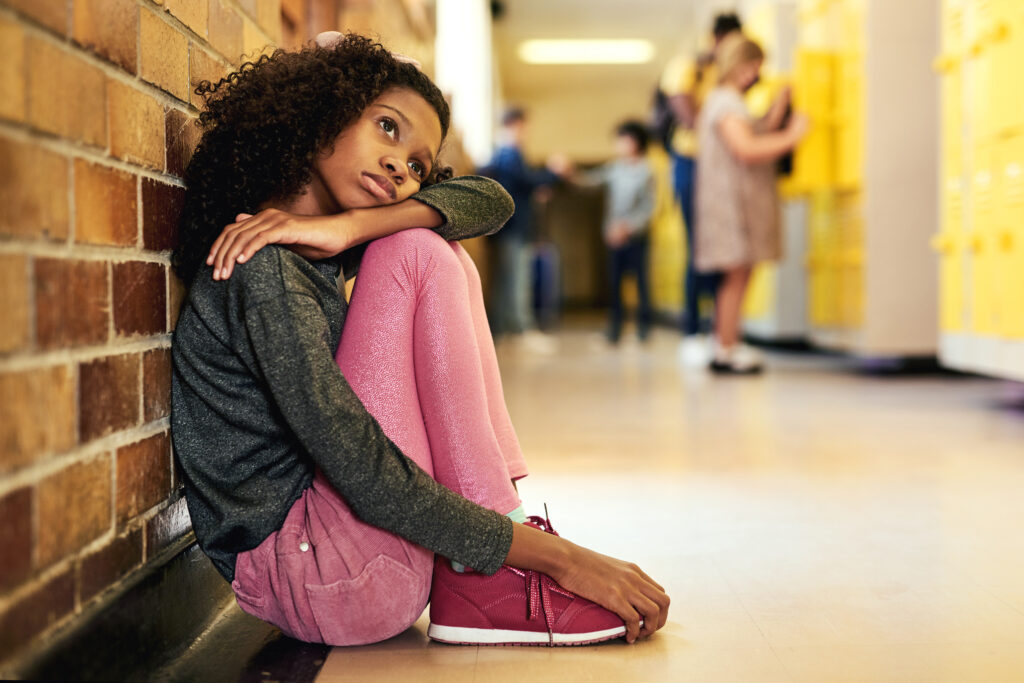
If you’re reading this with a cup of tea in hand and a heavy feeling in your chest, I want you to know something straight away: you’re not the only parent trying to make sense of why your child suddenly can’t face school. And more importantly — you’re not doing anything wrong.
EBSA — Emotionally Based School Avoidance — is something more families are living with than ever before. But behind the professional label, behind the school letters, behind the morning tears and the guilt… there’s a very human story playing out. And that’s the story I want to sit with here.
Not as a teacher.
Not as a professional.
But as someone who understands how complex, emotional, and exhausting this journey feels for you and your child.
EBSA isn’t just about school — it’s about safety
On the surface, EBSA looks like school refusal. A child who won’t get out of bed, who freezes at the front door, who begs to stay home.
But underneath?
It’s not defiance — it’s overwhelm.
It’s a nervous system stuck in high alert.
It’s anxiety, fear, sensory overload, or social pressure that your child can’t easily explain.
It’s a young person who wants to cope, but whose whole body is saying, “I can’t.”
And when we see it through that lens, everything softens.
Understanding grows.
Judgement fades.
EBSA isn’t about a child who doesn’t want to learn.
It’s about a child who no longer feels emotionally safe enough to try.
The hidden worries parents carry
When EBSA arrives in a family, it doesn’t just affect the child.
It affects you.
Parents often tell me they feel:
guilty
judged
worried they’re being “too soft”
afraid school will think they can’t manage
torn between compassion and pressure
overwhelmed by the unknown
You’re trying to do the right thing with no map.
You’re watching your child fall apart in the mornings and wondering how to hold both their distress and the expectations of school.
It’s not just a practical challenge — it’s an emotional one.
And sometimes the hardest part is that no one sees what happens inside your home at 7:45am.
No one else sees the shaking hands, or the tears, or the way your child curls into you like they’re seeking shelter.
EBSA isn’t just a school issue — it becomes a family experience.
Where counselling comes in (and why it really matters)
Counselling approaches EBSA from an emotional angle, not a behavioural one. It’s not about forcing attendance or “fixing” your child — it’s about understanding what their experience is telling us.
- We gently uncover the ‘why’
Counselling creates a safe space for the young person to explore what feels hard:
Is it the noise?
The crowds?
Friendship worries?
Fear of not keeping up?
Feeling different or misunderstood?
A sense of being judged?
Children often can’t explain these things in the moment — especially during anxiety. But counselling helps them give shape to feelings they haven’t had words for.
- We help parents breathe again
Parents need space too.
Space to say, “This is really hard.”
Space to not feel blamed.
Space to understand the emotional cycle rather than feeling lost inside it.
When you understand why it’s happening, mornings feel less like chaos and more like something you can navigate with compassion and confidence.
- We teach strategies that actually help
Not miracle cures.
Not unrealistic expectations.
Just small, steady tools such as:
grounding techniques
sensory regulation
calming plans for mornings
emotional scripts
gentle, step‑by‑step reintegration idea
Tiny tools that build emotional safety — the foundation for any future return to school.
- We slow everything down
EBSA often spirals because families feel pressured to “get back to normal” fast.
Counselling helps you step back and say:
What does “safe” look like?
What does “doable” look like?
What’s the next small step — not the next leap?
We rebuild confidence, not force compliance.
- We help you work with school, not against it
You don’t have to navigate the school system alone.
Counselling can help you:
explain your child’s needs
ask for reasonable adjustments
create a manageable plan
advocate calmly and clearly
It shifts the dynamic from conflict to collaboration.
The heart of EBSA: human connection
At its core, EBSA is about a child who is overwhelmed and a parent who is trying to understand that overwhelm. It’s about connection. It’s about safety. It’s about slowing down long enough to hear what your child’s behaviour is already trying to tell you.
And it’s about knowing that there is nothing wrong with you, or your child, or your family.
You’re not failing.
Your child isn’t broken.
You aren’t alone.
EBSA isn’t a dead-end — it’s a signpost.
A signal that something needs attention, understanding, and gentleness.
With support, patience, and a plan that honours both your child’s emotions and your own, things can get easier.
Not overnight.
Not perfectly.
But gradually — which is how real change always begins.