

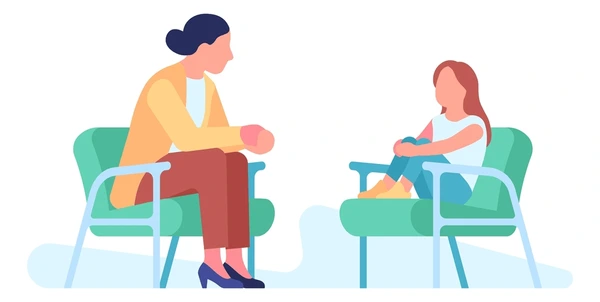
Counselling is a safe space to talk about anything that’s on your mind.
You don’t need to be in crisis or have a big problem. Young people come to counselling for many reasons — stress, worries, low mood, friendships, family issues, school pressure, or just feeling stuck.
If something matters to you, it matters in counselling.
What happens in counselling?
Counselling usually happens one‑to‑one with a trained counsellor and lasts around 50 minutes.
You talk at your own pace about whatever you choose. Some sessions may feel chatty, some quiet, and some emotional — all of that is okay.
The counsellor’s role is to listen without judgement and help you understand your thoughts and feelings.
What counselling is NOT
Counselling is not:
Being told what to do
Getting advice or lectures
Being analysed or diagnosed
Being told off
Being forced to talk
You stay in control of what you share.
Will the counsellor tell me what to do?
No. Counselling is non‑directive, which means the counsellor won’t give you answers or make decisions for you. Instead, they help you think things through and find what feels right for you.
Is counselling confidential?
Yes — counselling is private.
What you say stays between you and the counsellor unless there is a serious concern about your safety or someone else’s safety. This is to protect you, not to get you into trouble.
How to prepare for counselling
There’s no right way to prepare.
You don’t need to know what to say or have everything figured out. It’s okay to feel nervous, unsure, or quiet. You can take things slowly and talk about things when you’re ready.
Turning up is enough.
Common concerns about counselling
What if it feels awkward?
That’s normal at first — counsellors expect it.
What if I don’t know what to say?
You can say “I don’t know”. That’s okay.
What if I get emotional?
Emotions are welcome in counselling.
What if I’m not ready to talk about something?
You don’t have to. You’re always in control.
One thing to remember
Counselling is for you.
You don’t need to be confident, brave, or have the right words. You’re allowed to be yourself.
Counselling is a place where you can be listened to, talk freely, and work things out at your own pace — without judgement or pressure.