
As a counsellor, I often meet young people who feel they have to hide parts of themselves just to get through the school day.
This is called masking — when someone suppresses their natural behaviours or feelings to fit in or avoid being judged. For neurodivergent students (like those with autism, ADHD, or dyslexia), masking can become a daily survival strategy.
They might force eye contact, stay quiet even when they need help, or push through sensory discomfort — all while appearing “fine” on the outside. But inside, they may feel overwhelmed, anxious, and disconnected from who they really are.
💬 “I just want to be myself, but I don’t know if it’s safe.”
That’s something I hear often. And it’s heartbreaking — because every young person deserves to feel accepted, supported, and seen.
💡 What Is Neurodiversity?
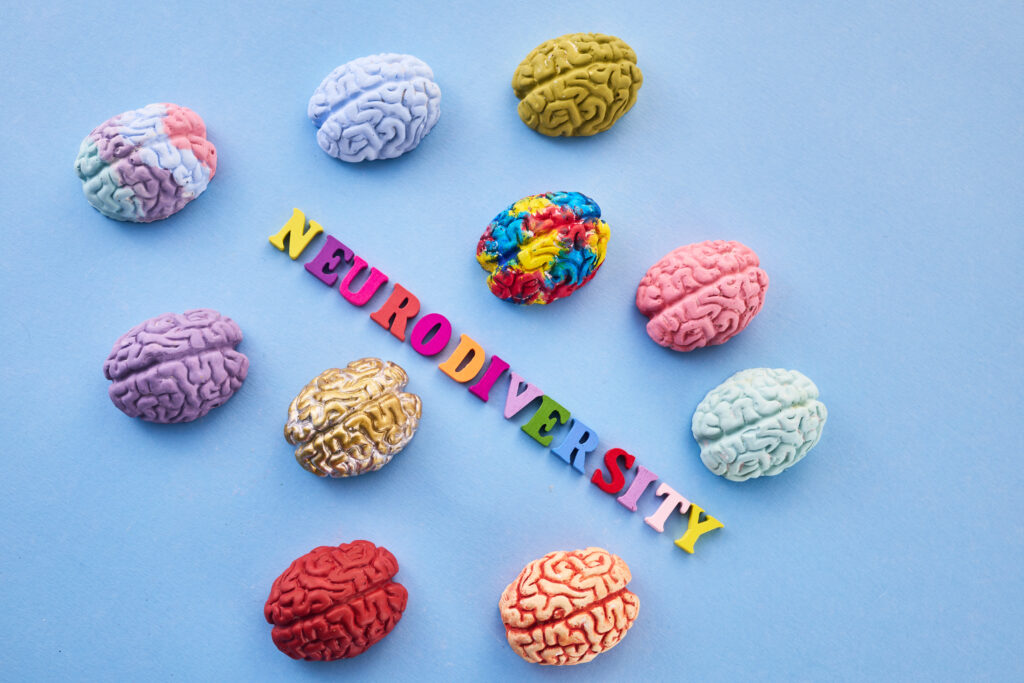
Neurodiversity is the idea that brain differences are natural and valuable. It’s not about fixing people — it’s about understanding and celebrating different ways of thinking, feeling, and learning.
In schools, embracing neurodiversity means moving away from a one-size-fits-all approach and creating environments where all students can thrive.
❤️ How We Can Help — A Person-Centred Approach
As a person-centred counsellor, I believe in meeting each student with empathy, acceptance, and authenticity. Here’s how we can support neurodivergent students:
Unconditional Positive Regard: Accepting students as they are, without judgment.
Empathic Listening: Truly hearing their experiences and feelings.
Safe Spaces: Creating environments where students feel free to be themselves.
Flexible Learning: Adapting teaching to suit different needs and strengths.
Celebrating Uniqueness: Focusing on what makes each student special.
🌈 Let’s Build Schools Where Everyone Belongs
When we support students to lower their masks and be their true selves, we don’t just help them — we create more compassionate, inclusive schools for everyone.
Let’s keep the conversation going.
💬 Have you seen masking in your school or classroom? What does neurodiversity mean to you?